Liveaboard Seasickness Survival Guide
How to Prevent It, Handle It, and Pick the Right Boat
Introduction
If you’ve ever worried about getting seasick on a dive trip, you’re not alone. Almost every diver has felt that uneasy roll in their stomach at some point. The good news? Seasickness isn’t some mysterious curse of the sea — it’s simply your brain struggling with mixed signals. Your inner ear says, “We’re moving!” while your eyes (staring at a still cabin wall) insist, “Nope, we’re not.” That disconnect can trigger nausea, dizziness, even vomiting.
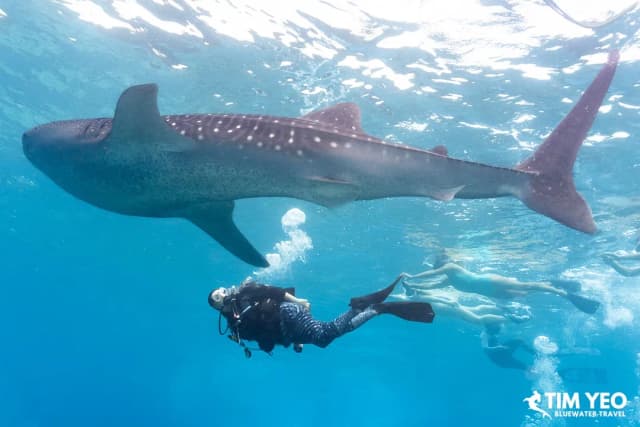
Interestingly, the moment you slip underwater, those signals sync up again. Many divers find that the queasiness vanishes almost immediately once they’re below the surface. So the real challenge isn’t diving — it’s the boat ride in between. Luckily, there are plenty of tricks and choices you can make to keep it under control.
Why Seasickness Happens
- Confused senses. Your ears feel every roll of the boat, but your eyes often can’t see it. The brain doesn’t like that mismatch.
- It’s not the water. Most people feel fine once they’re diving, because underwater your vision and your body finally agree.
- Some folks are more prone. Women, kids, and migraine sufferers tend to be hit harder. Stress and lack of sleep don’t help either. The silver lining? Most people adjust within a day or two and settle into their “sea legs.”
Smart Prep Before You Sail
A smooth trip starts long before you step on deck
- Pick the right boat. Bigger is better when it comes to stability. Wide-beamed yachts and catamarans roll less than narrow monohulls. Wooden day boats or small sailboats? Fun for short hops, but not ideal for long crossings.
- Go easy on food and drink. The night before, skip the heavy curries, greasy burgers, and cocktails. Light dinner, no booze. Many divers take their first anti-nausea pill before bed so it’s already working by morning.
- Stay hydrated. Water is your friend. Caffeine, soda, and milk first thing in the morning… not so much. A banana or crackers before boarding works better.
- Pack your kit. Ginger candies, Sea-Bands, whatever meds you’ve chosen — keep them in your day bag, not your checked luggage. Toss in a refillable water bottle and a couple of bland snacks.
- Sleep well. Fatigue makes seasickness worse. A good night’s rest is underrated medicine.
Staying Comfortable Onboard
Even with prep, the boat’s motion can sneak up on you. Here’s how to stack the odds in your favour:
- Choose your spot wisely. Midship, lower deck cabins are the calmest. On deck, staying near the middle and close to the waterline helps too.
- Get fresh air. Don’t hide in a stuffy cabin. Find the breeze, avoid engine fumes, and keep clear of strong perfumes or smoke.
- Look outward. Fix your gaze on the horizon or a point in the distance. Phones, books, and close-up screens are nausea traps.
- Move and breathe. Sitting bolt upright and taking slow, deep breaths works better than lying flat. Gentle walking can help your body sync up to the motion.
- Eat lightly but regularly. Crackers, toast, soup — all better than nothing. An empty stomach is just as bad as an overstuffed one.
- Gear up smart. If possible, assemble your dive kit before departure so you’re not hunched over in rough seas trying to thread a weight belt.
Remedies That Actually Work
- Over-the-counter meds. Bonine (meclizine) and Dramamine (dimenhydrinate) are the classics. Take them before you feel sick, not after. Test them on dry land first — some people get drowsy.
- Scopolamine patch. A prescription option you stick behind your ear. Potent, long-lasting, but with possible side effects (dry mouth, blurred vision). Definitely test before a dive trip.
- Ginger. Capsules, tea, chews — a gentle, natural helper. Not a magic cure, but often surprisingly effective.
- Acupressure bands. Cheap, drug-free wristbands that press on a nausea-relief point. Some divers swear by them. Even if it’s placebo, it’s harmless.
- The water trick. If you’re queasy, get in the water at the first opportunity. Underwater, your brain finally agrees with your body and the sickness usually fades.
Boats That Make Life Easier
Not every liveaboard rocks the same way. A few design features can make a huge difference:
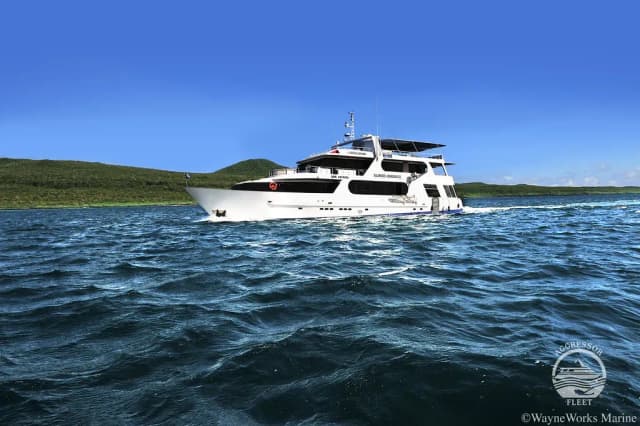
- Catamarans. Wide, twin-hulled boats are famously stable. If you’re prone to motion sickness, these are gold.
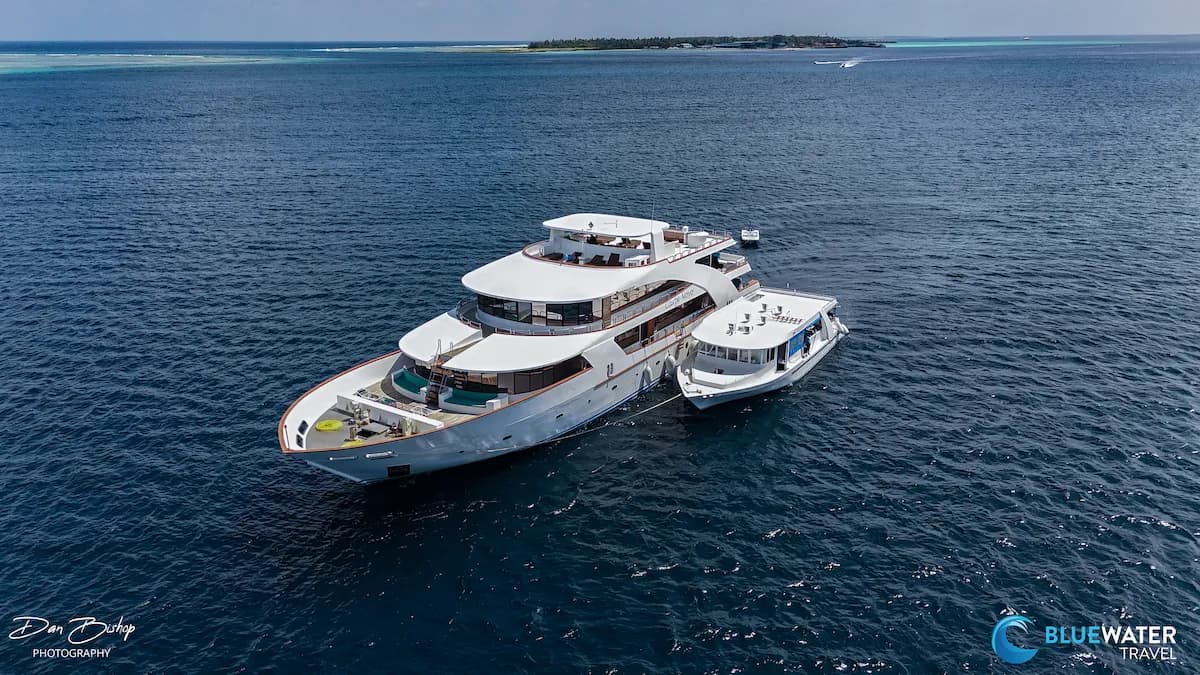
- Heavy steel hulls. A 100-foot steel liveaboard handles swell far better than a lightweight wooden one.
- Wide beams and low centers of gravity. The broader the boat, the less it rolls. Some even come with stabiliser fins that actively counteract the waves.
Fleets known for stability:
- Aggressor Liveaboards. Big steel yachts like the Bahamas Aggressor or Cayman Aggressor IV are built for comfort and stability.
- Explorer Ventures. Vessels like the Blue Manta and Turks & Caicos Explorer II are modern, spacious, and designed with wide beams.
- Galápagos yachts. Many in the islands have advanced stabilisers and deep keels. The Galapagos Aggressor III is a classic example.
- Red Sea yachts. Large, steel-hulled motor yachts (like the Red Sea Aggressor IV) are common here and ride smoothly.
Packing Like a Pro
Bring along:
- Your chosen meds (OTC or prescription).
- Ginger chews or capsules.
- Sea-Bands or ReliefBands.
- A reusable water bottle and bland snacks.
- Comfortable clothes, non-slip shoes, and maybe a rain jacket.
- Personal comfort gear: eye mask, earplugs, small fan.
Final Thoughts
Seasickness is annoying, but it’s rarely a trip-ender. Most divers find that after the first day, the rocking becomes background noise. With a bit of planning — and maybe a few ginger candies in your pocket — you can focus on what you came for: world-class diving.
Don’t let the fear of seasickness keep you off a liveaboard. The reefs, the dolphins, the night dives under a sky full of stars — they’re worth a little wobble at sea.
Happy travels, and see you underwater.