Raja Ampat vs Komodo: Which Is Best for You?
Deciding between Raja Ampat (Indonesia) and Komodo National Park (Indonesia) for a dive trip can be a happy dilemma – both are world-class and truly distinct. Raja Ampat (West Papua) sits at the heart of the Coral Triangle, famed for mind‑blowing diversity of marine life. Komodo (Lesser Sunda Islands) is legendary for its action‑packed drift dives and big animals like mantas and sharks. Below we compare the highlights, conditions and logistics of each, letting you decide which suits your diving style (or inspiring you to aim for both!).
Biodiversity
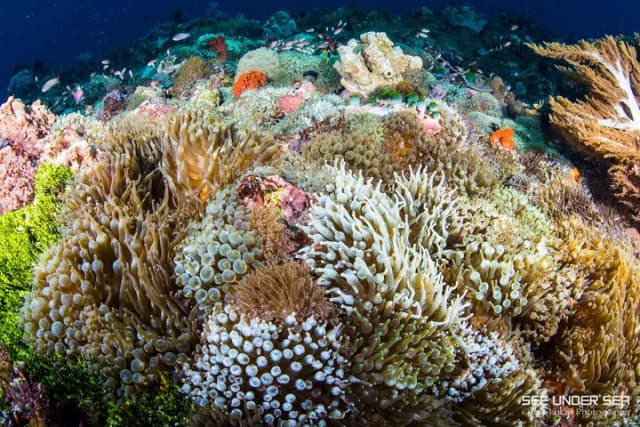
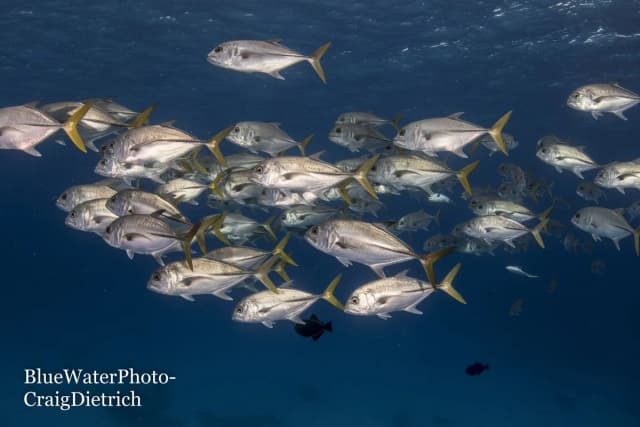
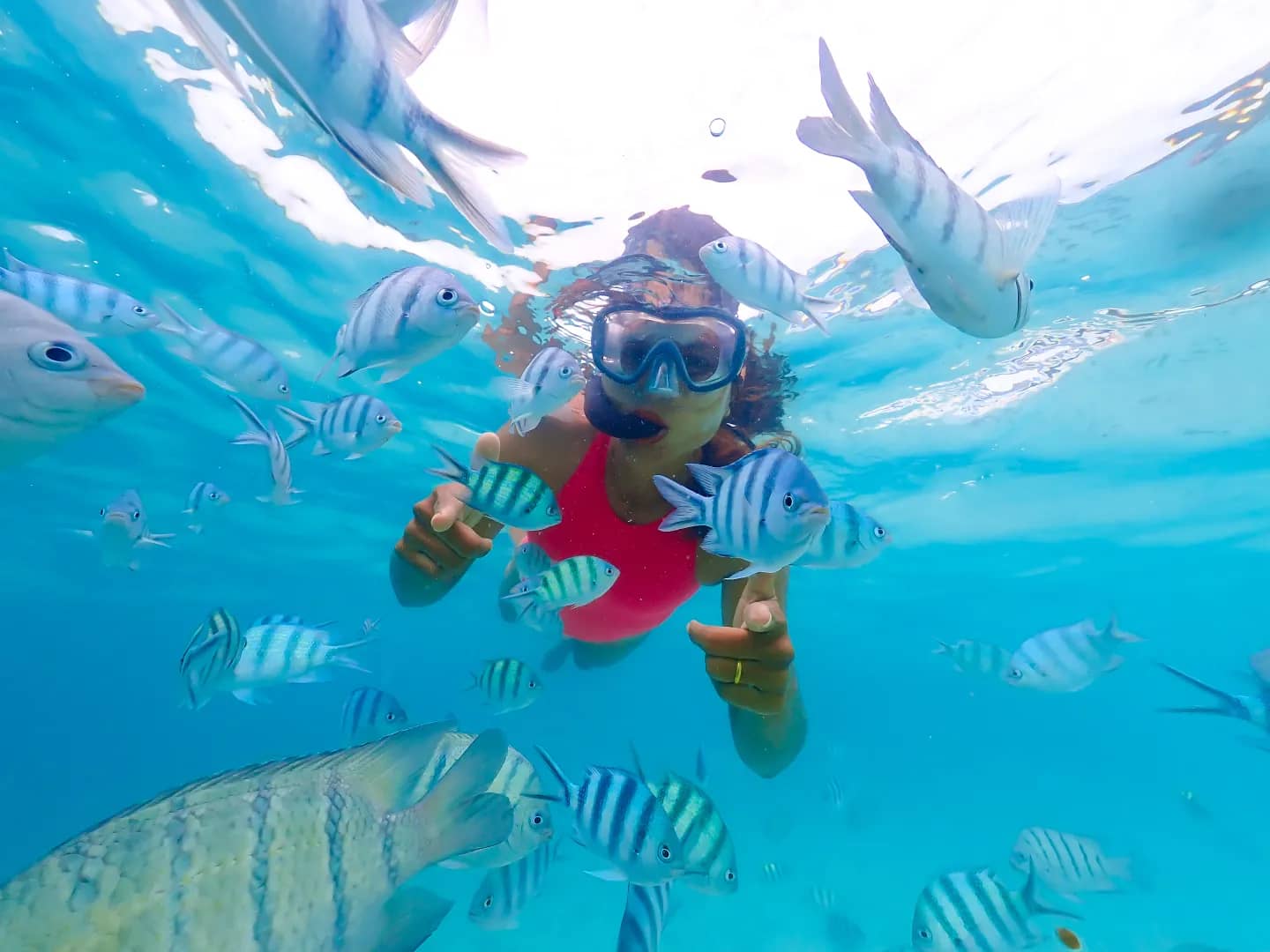
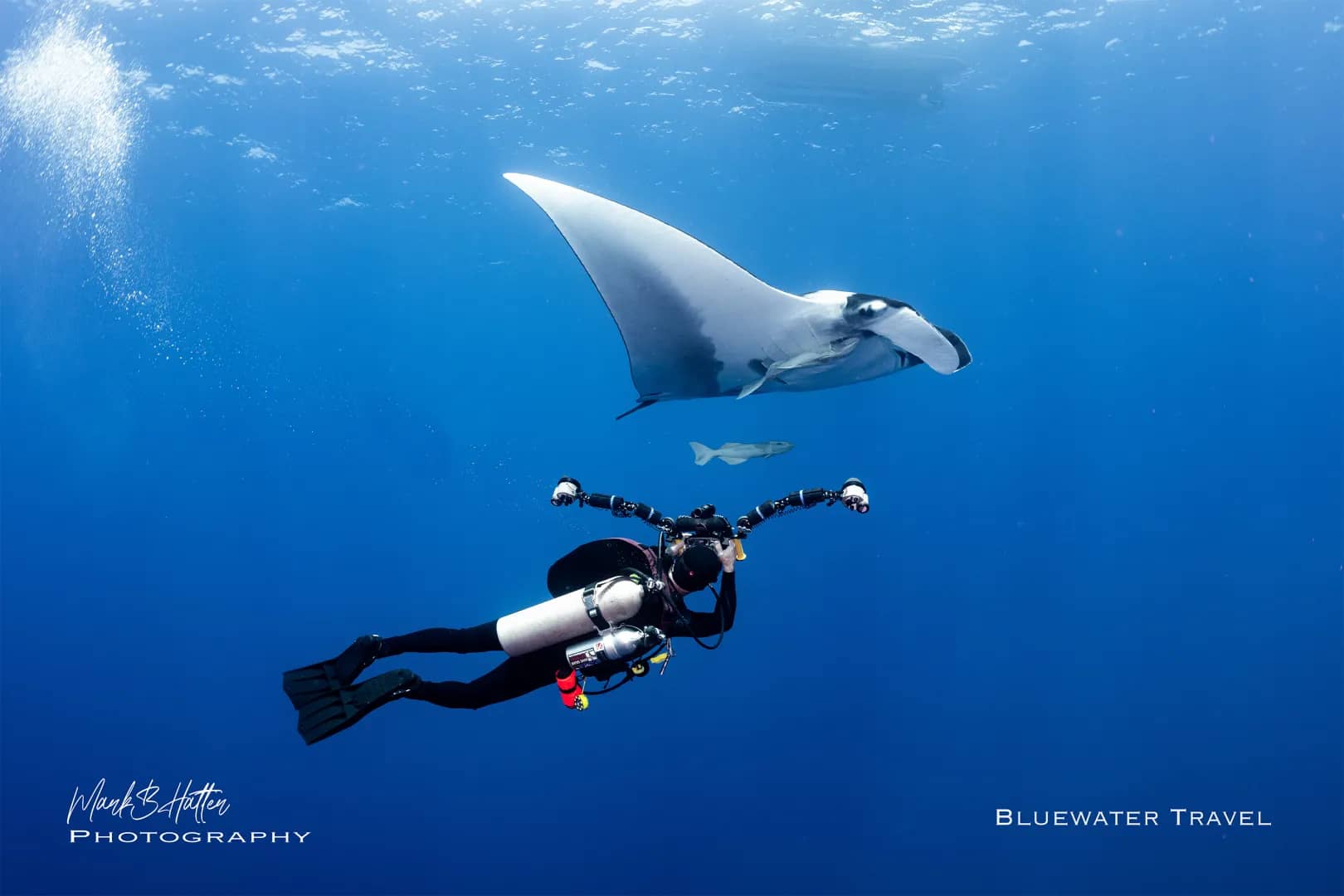
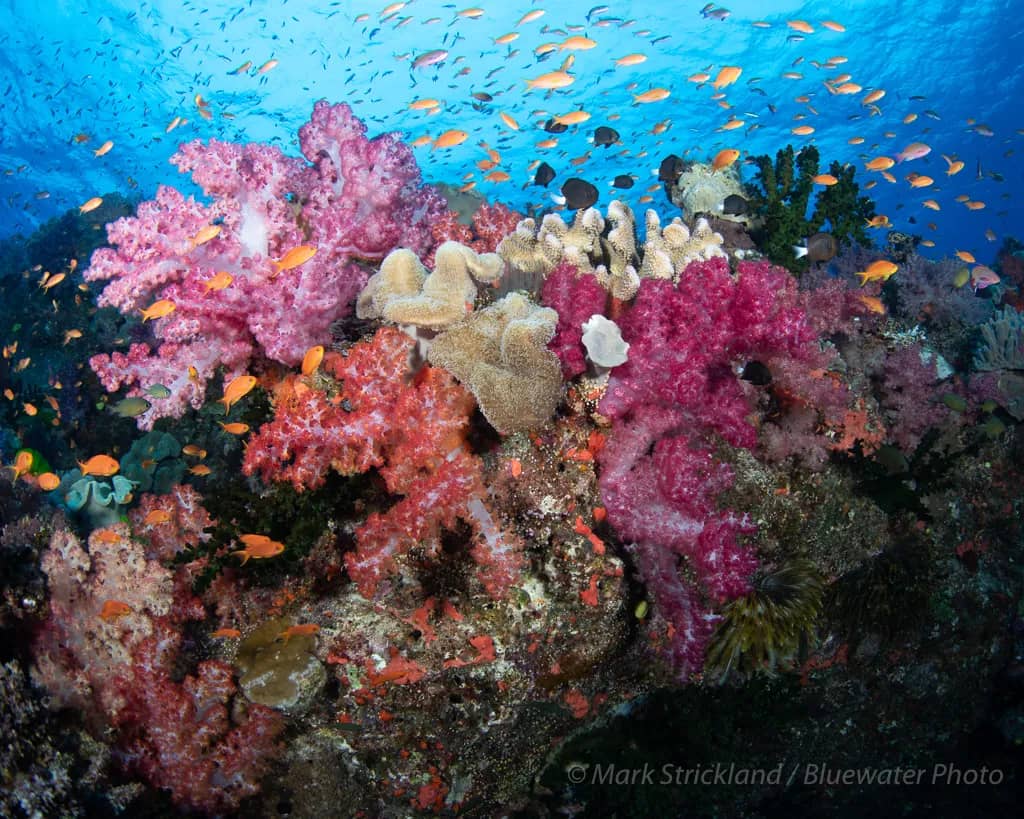
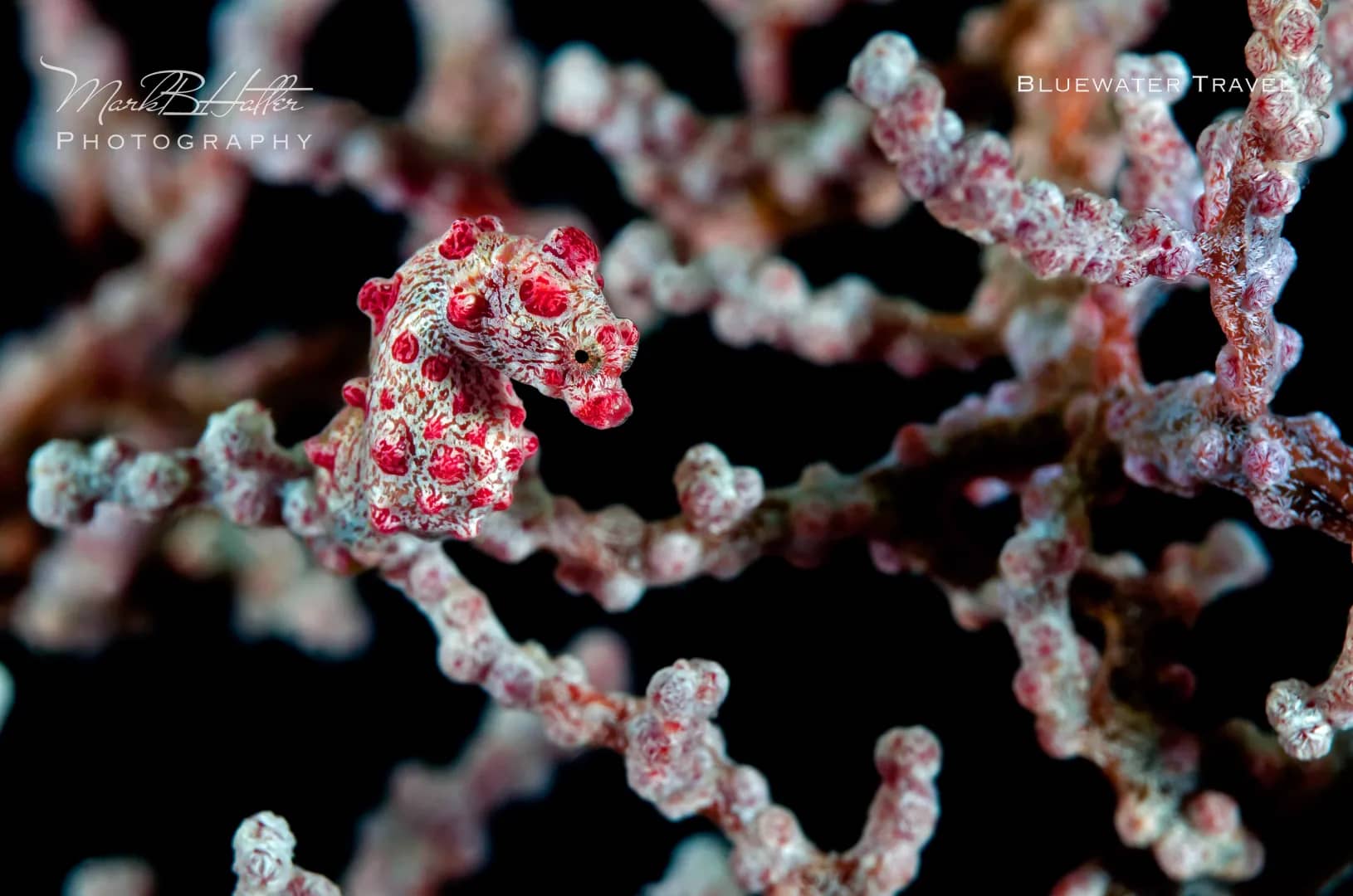
Raja Ampat boasts the world’s highest diversity of reef life – it has “one of the highest numbers of fish species of any place on the planet” and “some of the world’s most beautiful coral reefs”. You’ll see rainbow‑coloured reefs, dense schools of fusiliers and clownfish, as well as unique critters like pygmy seahorses and the tiny epaulette (walking) shark. Komodo, in contrast, is famed for pelagic encounters. Cool plankton‑rich currents support 260 coral species and massive filter‑feeding animals. Drift through Komodo’s deep channels and you may meet manta rays (see our Manta Ray Dive guide) and schooling trevallies at spots like Manta Alley.
Currents & Dive Style
Raja Ampat usually has mild to moderate currents. Dives often start from a tender boat and drift gently over reef walls, making it excellent for photographers and both intermediate and advanced divers (though still some drift). In Komodo, currents are generally strong. The park is known for drift diving on underwater pinnacles. Divers often use reef hooks or SMBs to stay in place. This makes Komodo more thrilling but typically only for experienced divers (50+ logged dives is recommended).
Water Temperature
The water in Raja Ampat is luxuriously warm year‑round (~27–30 °C), so even a thin wetsuit (3 mm) or shorty often suffices. Komodo can be cooler, especially in the south. Northern Komodo waters stay tropical, but deep upwellings in the south can drop temps into the high 60s °F (~20 °C). In practice you’ll need at least a 5 mm wetsuit for the coldest Komodo dives, whereas Raja Ampat rarely gets below ~27 °C.
Marine Life Highlights
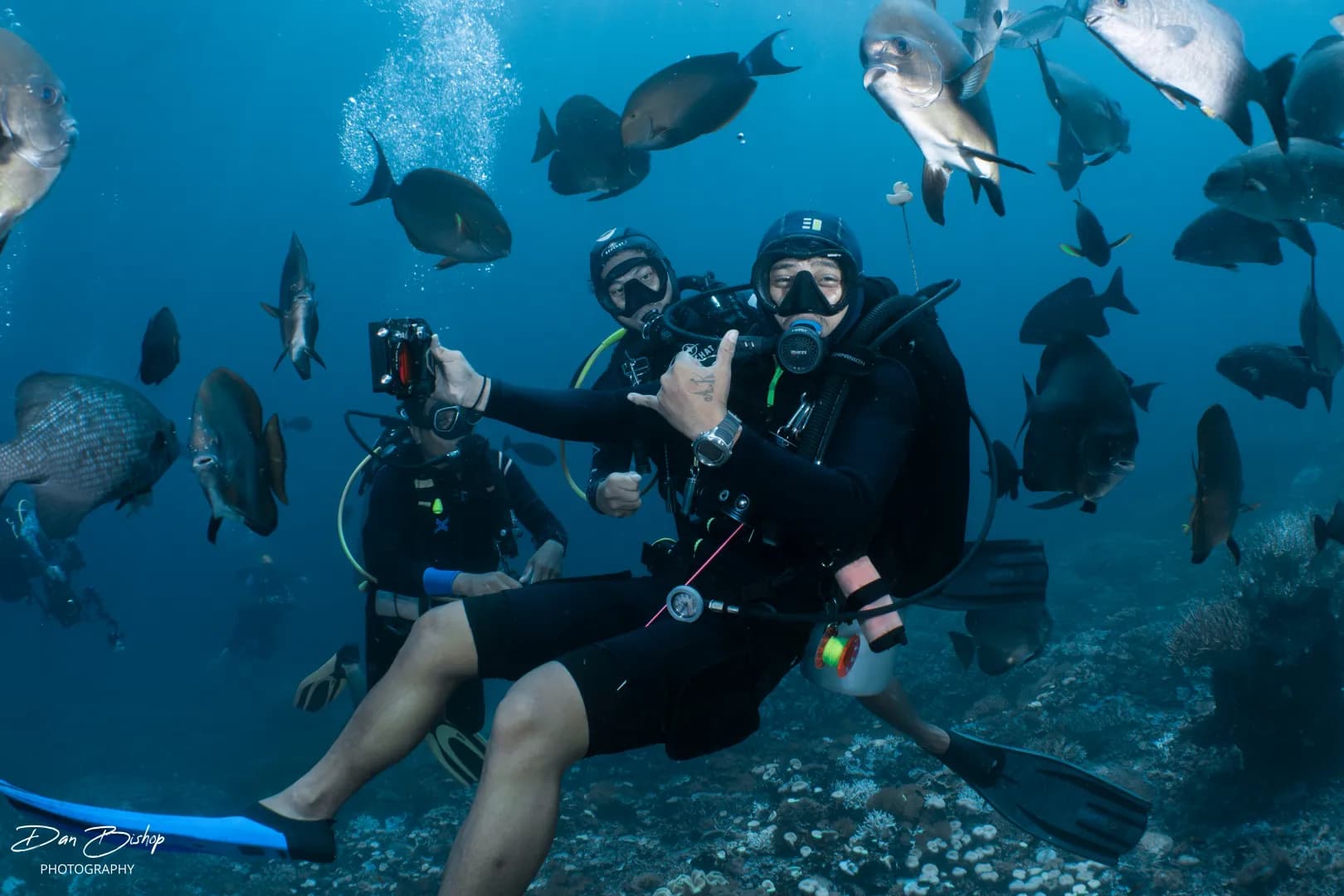
In Raja Ampat you can encounter reef sharks, vast schools of sweetlips and fusiliers, giant bumphead parrotfish, Napoleon wrasse and countless reef fish. Macro lovers adore its clownfish, ornate ghost pipefish and colourful nudibranchs. In Komodo you’ll target larger megafauna: oceanic whitetip, whitetip reef and even hammerhead sharks are possible on open dives, as well as graceful manta rays year‑round. Komodo also offers amazing macro on its sponges (frogfish, seahorses, etc.). In short, Raja Ampat is the place for sheer abundance and colour, whereas Komodo is for big‑action drift and the chance to see large pelagics.
Accessibility
Getting to Raja Ampat is an adventure. It’s remote: you typically fly via Jakarta (or Makassar), then Sorong (West Papua), then a boat to the islands. As Bluewater notes, it may take “three or more flights” to reach Raja Ampat. Komodo is far easier logistically: fly into Bali (Denpasar) or directly to Labuan Bajo (Flores) – LBJ is just an hour from Bali. From Labuan Bajo it’s a short boat ride. In practice, most travelers find Komodo more convenient to reach than Raja Ampat.
Season & Timing
Raja Ampat’s prime dive season is roughly October to May. (In fact, liveaboards mostly operate in Oct–May.) Mid‑year (June–Sep) is monsoon time: rough weather shuts down southern Raja Ampat, and many boats relocate to Komodo. Notably, northern Raja Ampat (Wayag, etc.) can still be dived year‑round, but access is limited. By contrast, Komodo is best May–October too, with the rainy season November–February bringing heavy weather. So timing is similar for both (northern summer), but note that in their off‑seasons many liveaboards simply swap one region for the other.
Liveaboard vs Land-Based
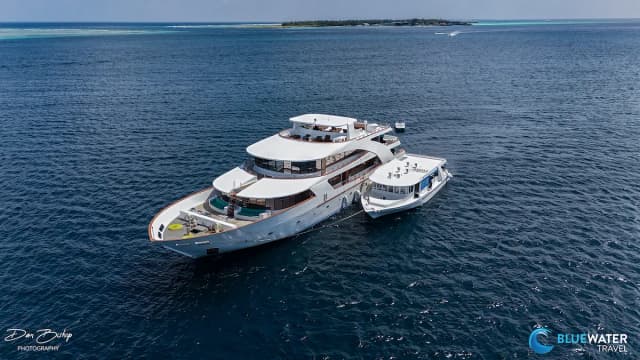
Both destinations are often explored by liveaboard. In Raja Ampat, hundreds of islands mean most dives are done aboard boats. There are also a few resorts on main islands if you prefer a land base. In Komodo, liveaboards depart from Flores (and sometimes Bali), letting you quickly hop between spread‑out sites. Bluewater mentions a “Komodo liveaboard departing from Labuan Bajo… is a fantastic option” for full coverage. In either place a liveaboard package may include lodging, all meals and gear.
Difficulty & Experience
Raja Ampat diving isn’t overly difficult – it’s often compared to popular reefs in the Coral Triangle. There are some currents, but many sites are gently sloping walls and reefs. This makes it accessible to intermediate divers; advanced skills can be useful for drift dives, but beginners can be comfortable in calm dive spots or sheltered lagoons. By contrast, Komodo typically demands a higher skill level. The surface and subsurface currents at prime sites are strong, so it’s recommended for intermediate to advanced divers. In short, if this is your first liveaboard or you’re uneasy with currents, Raja Ampat is friendlier.
Personal Experience
Speaking from experience, both places are jaw‑dropping. I once drifted through Raja Ampat’s Blue Magic at current‑cruising pace, enveloped in thousands of fusiliers and surgeonfish – coral nowhere in sight but fish everywhere. On a different trip, I descended into Komodo’s Manta Alley and counted a dozen mantas gliding past in one dive. In Raja Ampat my buddy and I tied off on a reef during a surge and watched sweetlips and trevallies darting among colorful coral heads. In Komodo we drifted down a dramatic wall and had to hook in to photograph a solitary hammerhead shark passing by. Both trips left me speechless – Raja Ampat for its overwhelming variety, Komodo for its adrenaline rush.
Key Differences at a Glance
- Biodiversity: Raja Ampat – unmatched variety (hundreds of reef fish species, 550+ corals); Komodo – plankton‑driven life supporting mantas, sharks (260 coral species, abundant plankton).
- Currents & Diving: Raja Ampat – mostly mild currents; Komodo – strong currents and drift dives.
- Water Temperature: Raja Ampat – warm ~27–30 °C year‑round; Komodo – north warm, south can drop to ~20 °C.
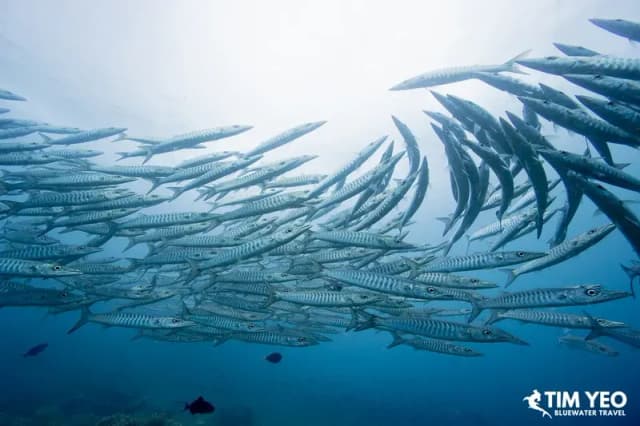
- Marine Life: Raja Ampat – colorful reefs with pygmy seahorses, clownfish, wobbegong sharks; Komodo – large pelagics (whitetip, hammerhead sharks, schooling barracudas) and critters on sponges.
- Accessibility: Raja Ampat – remote (3+ flights to Sorong then boat); Komodo – easy (flight to Bali/Labuan Bajo).
- Season: Raja Ampat – best Oct–May (north RA accessible all year); Komodo – best May–Oct (rainy Nov–Feb).
- Skill Level: Raja Ampat – suitable for intermediate divers (some currents); Komodo – intermediate‑to‑advanced (strong currents, drift dives).
Both destinations are fit for most divers, but with different emphases. Raja Ampat is a paradise if you crave coral and reef life and super‑clear warm water; Komodo shines if you seek big animals and thrilling drift dives. Ultimately, no choice is “wrong”. As one diver put it of Raja Ampat, “nearly every dive” had so much coral life that “there was not a place to put your finger” – a similar kind of awe you might feel watching a hammerhead or manta in Komodo.
At the end of the day, your choice depends on what underwater adventure you want. Do you want to float above teeming coral gardens and count rainbow fish (Raja Ampat), or carve through strong currents surrounded by mantas and sharks (Komodo)? Many divers dream of experiencing both. Whatever you pick, both Raja Ampat and Komodo promise spectacular diving that few other places can match.